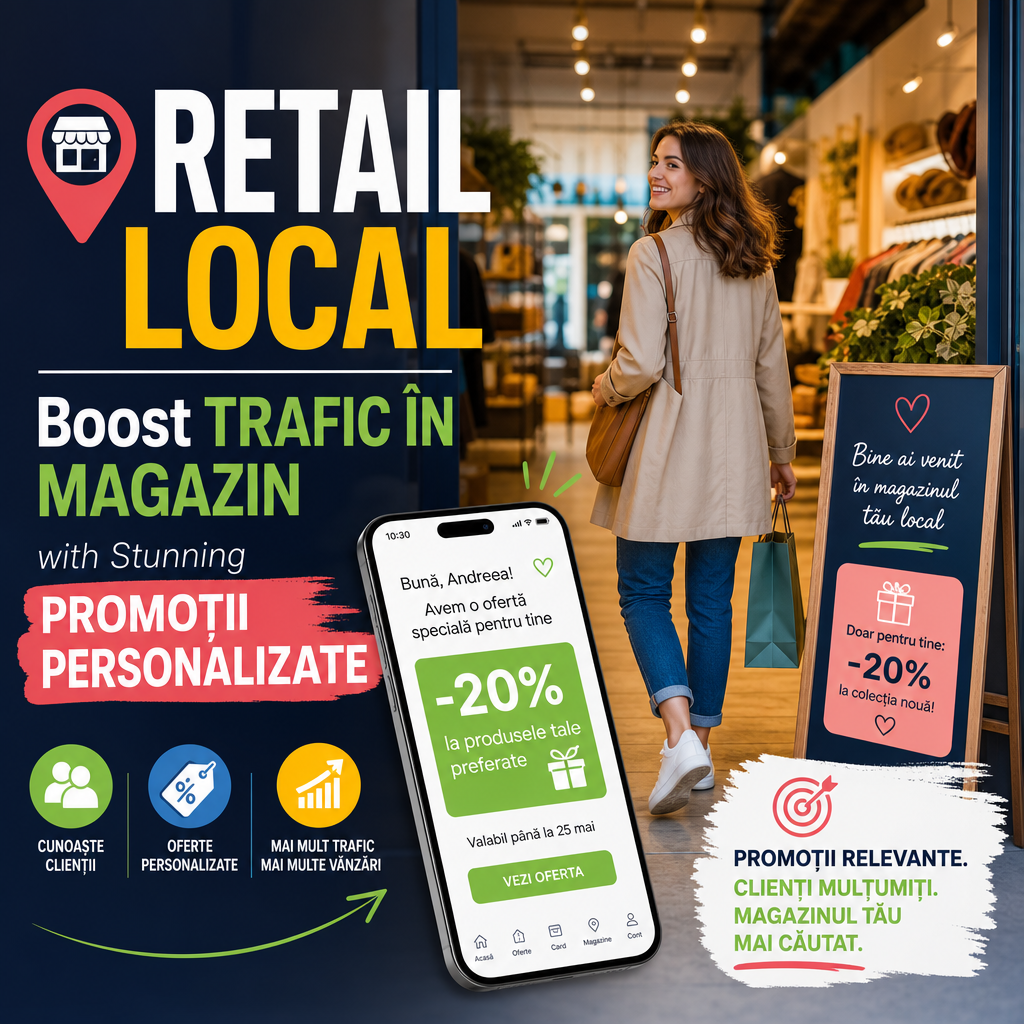
Retail local is changing fast, and the businesses that win are the ones that know how to turn nearby shoppers into loyal customers. In a world where people can compare prices, browse products, and make purchases online in seconds, physical stores need more than good inventory to stay competitive. They need a reason for people to walk through the door. That is where promoții personalizate come in. When done well, they can create urgency, strengthen loyalty, and drive more trafic în magazin by making each customer feel seen and valued.
A local retail business has one major advantage that e-commerce cannot fully replicate: direct, in-person connection. Shoppers who already live, work, or pass through the area are often just a few strategic nudges away from visiting your store. Personalized promotions help you deliver those nudges at the right time, through the right channel, and with the right offer. Instead of sending the same generic message to everyone, you can tailor campaigns to customer behavior, preferences, location, and purchase history.
Cuprins
- Why retail local needs personalized promotions
- How personalized offers increase trafic în magazin
- Types of promoții personalizate that work best
- Building effective personalized campaigns
- The role of data in retail local marketing
- Mobile apps and digital touchpoints
- Best practices to avoid promotion fatigue
- Measuring success in-store
- A simple rollout plan for smaller stores
- Conclusion: turning personalization into foot traffic
Why retail local needs personalized promotions
Traditional mass promotions can still bring attention, but they often fail to create meaningful action. Customers are flooded with discounts every day, and many ignore offers that feel irrelevant. Retail local businesses need a smarter approach. Personalized promotions make your marketing feel more useful and more human.
When a shopper receives a message that reflects their interests or past purchases, they are more likely to respond. For example, a customer who previously bought running shoes may be interested in a special offer on athletic apparel or socks. A family that shops for school supplies may respond better to a back-to-school bundle than to a broad storewide discount. These smaller details matter because they reduce friction and improve conversion.
Personalization also supports stronger relationships. People tend to return to businesses that remember them, understand their needs, and offer value at the right moment. Over time, that can turn occasional visitors into regular customers. For a local store, that repeat traffic is essential.
Retail local works best when the store feels relevant to the neighborhood. If a campaign speaks to local routines, seasonal habits, and nearby needs, people are more likely to act. That is why promoții personalizate usually outperform generic flyers, broad email blasts, or one-size-fits-all coupons.
How personalized offers increase trafic în magazin
The main goal of promoții personalizate is not just to get attention online. It is to move shoppers from digital touchpoints into your physical location. To increase trafic în magazin, the offer must create a compelling reason to visit now rather than later.
A strong personalized promotion usually has three elements:
- Relevance: the offer matches the customer’s interests or shopping habits
- Timing: the message reaches them when they are most likely to act
- Incentive: the discount, gift, or benefit feels worth the trip
For example, a local coffee shop could send a lunchtime offer to office workers nearby. A clothing store might target customers who browsed winter jackets and invite them in for an exclusive in-store preview. A beauty retailer can offer a free sample or mini service to customers who have purchased similar products before. These promotions work because they connect a digital message to a physical action.
Location-based targeting can be especially powerful. If your business is in a shopping district, near a transit hub, or close to a residential area, you can use geo-targeted campaigns to reach people within a convenient distance. The easier it is to visit, the stronger the campaign should focus on urgency and convenience.
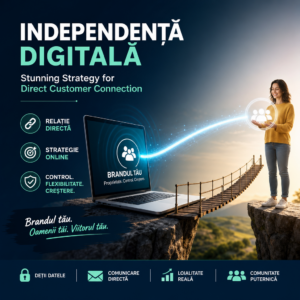
It helps to think of each campaign as a bridge. Online attention is only valuable when it leads to real-world behavior, and promoții personalizate make that bridge shorter. A shopper who sees a tailored message on their phone is far more likely to visit than someone who only receives a broad discount email from a brand they barely remember.
Types of promoții personalizate that work best
Not every personalized campaign needs to be complicated. In fact, some of the best-performing ideas are simple, practical, and easy to understand. Here are a few types that often work well for retail local businesses.
Birthday and anniversary offers
Customers love being recognized on special occasions. A birthday discount, free item, or small gift can create goodwill and increase the chance of a visit. Anniversary promotions tied to a customer’s first purchase or loyalty membership can also strengthen retention.
Product-based recommendations
If a shopper bought a specific item in the past, a related offer can bring them back. For example, a store selling skincare products might promote a complementary moisturizer to repeat buyers. These promotions feel helpful rather than pushy.
Location-triggered deals
When customers are near your store, a timely offer can prompt a visit. This works well for retailers with strong foot traffic zones. A message such as “Show this text in the next hour for 15% off today only” creates urgency and encourages immediate action.
Loyalty-based rewards
Regular customers should feel appreciated. Personalized loyalty rewards can be based on purchase frequency, total spend, or favorite categories. This not only boosts sales but also makes customers feel like insiders.
Seasonal and lifestyle-based campaigns
A local sporting goods store can promote gear for holiday travel, back-to-school seasons, or weekend hiking. A pet shop can tailor offers to pet owners based on seasonality, such as flea prevention in warmer months or travel accessories during vacation periods.
These formats work because they are easy to understand and easy to act on. When you match the message to the moment, promoții personalizate feel less like advertising and more like useful guidance. That is especially important in retail local, where trust and convenience often decide whether a shopper visits today or waits until later.
Building effective personalized campaigns
To make promoții personalizate successful, you need a clear strategy. Random discounts can reduce margins without building long-term value. A structured approach will help you use data wisely and create campaigns that feel relevant instead of intrusive.
Start by segmenting your audience. Group customers based on behaviors such as purchase history, average order value, product preferences, visit frequency, or location. Even basic segmentation can improve performance significantly.
Next, choose the right communication channel. Some customers respond best to SMS, while others engage more with email, mobile app notifications, or social media ads. The channel should match both the audience and the offer. For urgent in-store promotions, SMS and push notifications often work especially well because they are immediate and easy to act on.
Then, test your messaging. A personalized promotion should be clear, short, and actionable. The customer should instantly understand what they get, when they can get it, and why it matters. Avoid vague language. Instead of saying “Special offer this week,” say “Come in today for 20% off your favorite brand until 6 PM.”
Timing is another key factor. Promotions sent during commuting hours, lunch breaks, or weekend shopping windows often perform better than random sends. Pay attention to when your customers are most active and align your campaigns accordingly.
For many retail local businesses, the most effective campaigns are the ones that feel personal without becoming complicated. The offer should be easy to redeem, clearly limited, and tied to a real shopping moment. If the customer has to think too hard, the chance of a visit drops fast.
The role of data in retail local marketing
Data is the foundation of effective personalization. Without it, promotions become guesses. With it, you can identify patterns and craft offers that match real customer needs. Retail local businesses do not need enterprise-level systems to benefit from data-driven marketing. Even a simple point-of-sale system, email list, and customer loyalty program can provide valuable insights.
Useful data points include:
- Purchase frequency
- Average basket size
- Favorite product categories
- Time of day or week when customers visit
- Responses to past promotions
- Distance from store or neighborhood location
The goal is not to collect data for its own sake. It is to use it to improve customer experience and increase store visits. If one segment responds well to discounts and another prefers bonus items or exclusive access, you can adjust accordingly. Over time, your campaigns become more efficient and more profitable.
Good data also helps you avoid wasted effort. If certain customers only engage with weekend offers, there is no reason to send them weekday lunch promotions. If another group responds to premium products, then a price-only campaign may miss the mark. That is why retail local marketers should look beyond basic open rates and focus on behavior that leads to store visits.
For a practical view of modern customer targeting, it can also help to review industry guidance on privacy and digital marketing. The FTC’s CAN-SPAM compliance guide is a useful reference for businesses using email promotions and customer communications.
Mobile apps and digital touchpoints
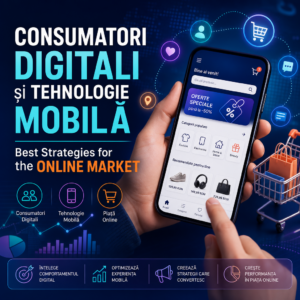
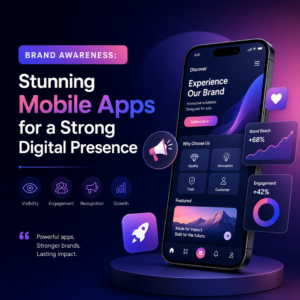
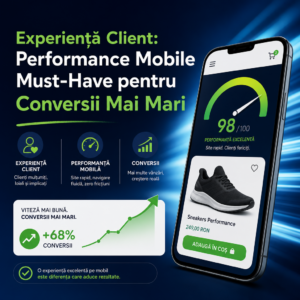
For many businesses, a mobile app can become the most direct way to deliver promoții personalizate. Apps allow you to communicate with customers instantly through push notifications, loyalty rewards, saved offers, and location-based messages. That immediacy can be especially valuable when you want to increase trafic în magazin during slow hours or short sales windows.
A well-designed app does not need to be complicated. The most useful features are often the simplest:
- Digital loyalty cards
- Exclusive member offers
- Birthday rewards
- In-app coupons
- Store locator and hours
- Personalized product suggestions
If you are considering a mobile-first approach, this internal resource may help: Emularea versiunii mobile a unui website într-o aplicație iOS sau Android (0 linii de cod). It is relevant for businesses that want a practical way to bring website traffic, loyalty data, and promotions into a more direct app experience.
Mobile and web channels should work together, not compete. A customer might discover your offer on social media, click through to your website, and later receive a reminder through the app. When these touchpoints are connected, promoții personalizate become more effective because the customer sees the same value in multiple places.
Retail local brands that use apps well often create a habit loop. Customers open the app for a benefit, redeem an offer in-store, and then return because the next promotion feels relevant again. That cycle can strengthen loyalty and make the store the default choice in the area.
Best practices to avoid promotion fatigue
Personalized promotions can be very effective, but only if they are used thoughtfully. If customers receive too many messages, even relevant offers can become annoying. That is why balance matters.
Keep these best practices in mind:
- Limit frequency so customers do not feel overwhelmed
- Make sure offers are genuinely valuable
- Rotate the type of incentive to keep things fresh
- Respect customer preferences and opt-ins
- Track results and remove underperforming campaigns
It is also important to avoid over-discounting. If your store becomes known only for deals, customers may wait for promotions instead of buying at full price. Personalized promotions should support brand value, not weaken it. A good strategy uses discounts selectively while also offering exclusive access, rewards, or convenience.
Another helpful practice is to make every message feel purposeful. If someone receives a promoții personalizate offer, it should answer one clear question: “Why should I care now?” That single question can keep campaigns focused and reduce fatigue. The more relevant the message, the less often you need to send it.
Measuring success in-store
The best way to evaluate your campaigns is by looking at what happens after the promotion is sent. Did more people visit the store? Did sales rise during the campaign period? Did repeat visits increase? These are the numbers that matter.
You can track performance through coupon codes, loyalty scans, in-store redemptions, or targeted campaign links. Compare results across different customer groups and promotion types. This helps you learn which messages drive actual trafic în magazin and which ones simply generate clicks or opens.
In many cases, the strongest indicator is not just immediate sales but customer behavior over time. A promotion that brings someone into the store once is useful. A promotion that starts a repeat-visit habit is even better.
When you review results, look at both short-term and long-term metrics. Short-term numbers tell you whether the campaign worked. Long-term patterns tell you whether it improved loyalty. Retail local businesses grow faster when they can connect those two outcomes.
You may also want to compare performance by daypart, neighborhood, or product category. Sometimes a campaign works well only in one store location or only for one customer segment. That is not a failure; it is useful information that helps refine the next round of promoții personalizate.
A simple rollout plan for smaller stores
Smaller retailers often worry that personalization requires too much time or technology. In reality, a simple rollout can be enough to produce meaningful results. Start small, learn quickly, and build from there.
Here is a practical rollout plan:
- Choose one customer segment, such as repeat buyers or birthday contacts.
- Create one clear offer tied to a store visit.
- Send the offer through one channel, such as email or SMS.
- Track redemptions and store visits for two to four weeks.
- Compare the results with a non-personalized campaign.
- Improve the message, timing, or reward before scaling.
This approach keeps the process manageable while still giving you useful data. You do not need dozens of campaigns to see progress. Often, one well-executed promotion teaches more than a large batch of generic offers.
If your team is small, focus on repeatable templates. For example, build a birthday promotion, a reactivation promotion for inactive customers, and a weekend-only offer for nearby shoppers. Those three campaigns can cover a large portion of local retail needs without overwhelming your staff.
How retail local stores can strengthen loyalty with personalized promotions
One of the biggest advantages of retail local is the ability to build real loyalty. Online stores can personalize recommendations, but they cannot match the feeling of walking into a familiar shop where the staff understands your preferences. Promoții personalizate extend that feeling beyond the checkout counter.
When customers receive offers that reflect their history with your store, they are more likely to feel appreciated. That emotional effect matters. People do not just return for products; they return for convenience, trust, recognition, and a sense of belonging.
Try combining personalized promotions with simple loyalty touchpoints. Thank customers after a purchase. Reward them after a certain number of visits. Offer early access to seasonal products. Invite them to in-store events. Each of these actions makes the store more memorable and increases the chances of another visit.
This is where retail local can really outperform larger competitors. Big chains may have more budget, but smaller stores often have more context about the neighborhood and the customer base. That context is valuable. It lets you create promotions that feel local, not generic.
Conclusion: turning personalization into foot traffic
Retail local businesses have a real opportunity to stand out by making promotions more personal, more relevant, and more actionable. Promoții personalizate are not just a marketing trend; they are a practical way to strengthen relationships and increase trafic în magazin. By using customer data, thoughtful segmentation, clear timing, and compelling offers, you can create campaigns that feel useful rather than generic.
In a competitive retail environment, the stores that succeed are the ones that understand their customers at a deeper level. Personalized promotions help you do exactly that. They bring people in, build loyalty, and create a better shopping experience that customers are more likely to remember and repeat.
If you want better results from retail local marketing, focus on relevance first and discounts second. When the offer fits the person, the timing fits the moment, and the store experience delivers on the promise, promoții personalizate can become one of your strongest tools for long-term growth.